
Menu
Same-Day Service Available!
Tile floors often look easy to maintain. Sweep away loose debris, run a mop across the surface, and the room should feel clean again. However, many homeowners eventually notice that their floors still look dull after mopping. The tile may have a cloudy film, while the grout lines remain dark or uneven.
The problem is not always poor housekeeping. Mopping handles loose surface dirt, but it cannot consistently remove everything that settles into textured tile and porous grout. In some cases, the mop may even spread dirty water or leave cleaning residue behind.
Grout lines sit slightly below the tile surface, which makes them natural collection points for soil, spills, moisture, food residue, pet messes, and cleaning solution. Since many types of grout are porous, buildup can settle below the surface. A regular mop usually passes over these recessed lines without providing enough agitation or extraction to remove deeply embedded material.
Homes in Canyon Lake, Texas, may also deal with tracked-in dust, dry soil, pet traffic, cooking residue, and mineral deposits from water. Over time, these materials can change the appearance of kitchen floors, bathrooms, entryways, laundry rooms, and other tiled areas.
Professional tile and grout cleaning reaches beyond what routine mopping can accomplish. Safe-Dry® of Canyon Lake uses specialized cleaning methods to loosen embedded buildup from textured tile and grout lines. Our family-friendly approach helps refresh hard surfaces without relying on unnecessarily harsh cleaning methods.
Mopping still plays an important role in regular maintenance. However, it works best as one part of a complete floor-care routine rather than the only cleaning method.
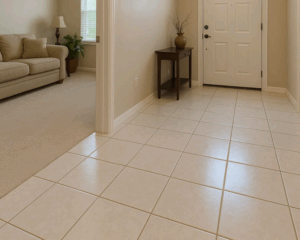
A freshly mopped floor should look clean. When it does not, the issue may come from the cleaning process, the condition of the grout, or the type of buildup present.
Several problems commonly cause tile to remain dull.
Mop water becomes contaminated as soon as the mop collects soil from the floor. Continuing to use the same water can spread that dirt across other areas.
A floor may appear cleaner while it is wet because moisture temporarily hides streaks and residue. Once the tile dries, a cloudy film or uneven finish may become visible.
Large rooms often require more than one bucket of water. Changing the water whenever it becomes cloudy helps prevent soil from being redistributed.
Using extra floor cleaner may feel like a good way to handle a dirty surface. Unfortunately, excess product can leave a sticky or hazy film.
Residue attracts dust, pet hair, and tracked-in soil. As a result, floors may become dirty again quickly.
Some products also require rinsing. When the label calls for a rinse and that step is skipped, cleaning solution can remain on the tile and grout.
A mop moves across the highest points of the floor.
Grout lines usually sit below the tile surface, so the mop may not create enough contact or pressure to remove embedded material. Even a clean mop head may glide over the lines while leaving darker buildup behind.
Professional tile and grout cleaning combines appropriate solutions, agitation, and extraction to reach these recessed areas more effectively.
Tile is not always perfectly smooth.
Textured ceramic, porcelain, stone, and slip-resistant flooring may contain small pits, grooves, or uneven sections. Soil can settle into these low areas where a standard mop cannot reach it.
This issue commonly appears in kitchens, bathrooms, mudrooms, patios, and entryways.
Kitchen floors collect airborne cooking oils, food residue, and splashes.
Water alone does not remove oily buildup effectively. A dirty film may remain even after several passes with a mop.
Grease can also trap additional soil, which makes the floor appear darker near stoves, sinks, kitchen islands, and dining areas.
Water can leave minerals behind after it evaporates.
These deposits may appear as white haze, spots, or crusty buildup. They are common around showers, tubs, sinks, and areas where water frequently splashes onto the floor.
Standard mopping may move the moisture around without removing the minerals.
Some tile floors have coatings, finishes, sealers, or waxes.
These materials can become worn, scratched, uneven, or cloudy. Applying another product over an existing layer may make the appearance worse.
A professional inspection can help determine whether the problem is soil, cleaning residue, mineral buildup, coating failure, or permanent surface damage.
Tile and grout may be installed together, but they do not always behave the same way.
Many glazed tiles resist moisture and staining better than grout. Grout often has a more open, porous surface. It can absorb liquid and hold fine particles that would remain on top of the tile.
Unsealed or worn grout can absorb:
Once these materials enter the grout, surface mopping may not remove them.
Recessed grout lines collect dirty water while a floor is being mopped.
As the water evaporates, soil and cleaning product may remain behind. Repeated mopping can gradually create darker lines, especially when the mop water is not changed often.
Rough grout catches particles more easily than a smooth glazed tile.
A mop may remove loose surface debris while leaving soil inside tiny pores and irregular areas.
A drink spilled on tile may sit on the surface long enough to be wiped away.
The same liquid can begin soaking into grout almost immediately. Dark beverages, cooking oils, pet urine, and colored products may leave visible staining or odor.
Some grout is sealed after installation or cleaning.
Sealant does not last forever. Foot traffic, cleaning products, moisture, and normal wear can reduce its effectiveness. Once the protection weakens, grout may absorb soil faster.
Mopping is still valuable. The goal is not to stop mopping but to understand its limits.
A good mopping routine can:
For the best results, mopping should follow dry soil removal. Sweeping or vacuuming first prevents loose grit from becoming muddy when water is introduced.
Mopping also works better when homeowners use the correct product, clean water, and a well-maintained mop head.
However, routine maintenance cannot replace periodic deep tile and grout cleaning. Just as vacuuming does not completely replace professional carpet cleaning, mopping does not fully remove everything that becomes embedded in grout and textured tile.
Understanding where the dirt comes from makes it easier to prevent.
Shoes and pet paws carry fine soil indoors.
Entryways and rooms near exterior doors often develop darker grout lines first. Door mats reduce the amount of soil entering the home, but they need regular cleaning to remain effective.
Cooking releases small particles of oil into the air.
The residue can settle across floors, cabinets, counters, and nearby surfaces. Dust then sticks to the oily film.
A kitchen floor may feel slightly tacky or look dull even when no obvious spill occurred.
Sauces, juice, coffee, milk, cooking oil, and other spills can enter grout lines.
Quick cleanup helps. However, wiping only the tile surface may leave residue in the grout.
Bathrooms experience frequent humidity and water exposure.
Soap, shampoo, body oils, hard water minerals, and personal care products can settle onto tile and grout. Poor ventilation may slow drying and contribute to musty conditions.
Pets bring outdoor soil, hair, dander, and moisture onto floors.
Urine can enter grout lines and create an odor that ordinary mopping does not remove. Pet urine removal becomes more difficult when contamination reaches porous grout, nearby carpet, rugs, baseboards, or cracks around the floor.
Laundry rooms may collect detergent, fabric softener, dirt from clothing, and water splashes.
Detergent can create sticky residue, especially when it is not rinsed completely.
Some floor cleaners leave film when mixed too strongly or used too often.
Switching between several products can also create unpredictable residue. Following the manufacturer’s dilution instructions helps protect the floor.

A thoughtful weekly routine helps tile and grout stay cleaner between professional services.
Sweep or vacuum before adding water.
Pay close attention to:
Loose grit can scratch some surfaces when dragged under a mop or shoe.
Use a vacuum attachment that is appropriate for hard flooring. Avoid a rotating brush that could scratch delicate tile or stone.
Before selecting a cleaner, determine whether the floor is:
Ceramic and porcelain often tolerate a wider range of products than natural stone. Acidic products, including vinegar, may damage or dull certain stone surfaces.
Check the flooring manufacturer’s care instructions whenever possible.
Use a product designed for the specific tile and grout.
Read the label carefully. Follow dilution directions instead of estimating the amount.
More cleaner does not usually mean a cleaner floor. Excess solution may leave residue and require additional rinsing.
Homeowners looking for products with ingredients reviewed against environmental and health criteria can explore the U.S. Environmental Protection Agency’s Safer Choice product search. Product suitability still depends on the flooring material and manufacturer’s directions.
Start with a clean mop head, bucket, and brush.
A mop that smells musty or contains old residue can transfer dirt and odor onto the floor. Wash reusable mop pads after each use and allow them to dry fully.
Replace worn mop heads when they stop cleaning effectively.
Divide the room into manageable areas.
Mopping a small section at a time helps prevent cleaning solution from drying before it can be removed. It also makes it easier to see where you have already cleaned.
Begin at the farthest point from the exit and work toward the doorway.
Replace the water as soon as it becomes cloudy or visibly dirty.
Large or heavily soiled rooms may require several water changes. Using two buckets can help: one for cleaning solution and another for rinsing the mop.
Some cleaners are designed to remain on the floor. Others require rinsing.
Follow the product instructions. When rinsing is needed, use clean water and a fresh mop head or pad.
Leaving product behind can create haze or sticky buildup.
Allow airflow to move through the room.
Use ceiling fans or indoor air circulation when appropriate. Keep children and pets away until the floor is dry.
Drying also gives you a more accurate view of the results. Streaks and residue may not become visible until the moisture evaporates.
Light grout maintenance can reduce surface buildup. However, avoid aggressive methods that could damage the grout or tile.
Vacuum or sweep the floor first.
Adding liquid before removing dry soil can create muddy residue that settles into the grout.
Apply any grout-cleaning product to a hidden section.
Check for discoloration, surface damage, or changes in the tile finish. Allow the area to dry before deciding whether the product is suitable.
Choose a brush that is firm enough to loosen soil but not so aggressive that it erodes the grout.
Metal brushes may scratch tile and damage grout. A soft nylon brush is usually safer for routine care, depending on the flooring material.
Apply the approved cleaner according to its label.
Allow the recommended contact time, but do not let the solution dry on the surface unless the instructions specifically permit it.
Agitate gently and rinse thoroughly.
Do not leave loosened soil on the floor.
Use clean towels, a wet extraction tool approved for the surface, or fresh mop water to remove the dirty liquid.
Use airflow and keep traffic away until the grout is dry.
A dry floor is less likely to collect immediate footprints or new soil.
Many popular cleaning tips are not safe for every floor.
Vinegar is acidic.
It may etch or dull marble, limestone, travertine, and other acid-sensitive stone. Even when a homemade mixture works on one surface, it may damage another.
Never mix products unless the manufacturers explicitly state that the combination is safe.
Mixing bleach with ammonia or acids can create dangerous gases. Layering different cleaners may also damage grout, sealers, or tile finishes.
Wire brushes, steel wool, and abrasive pads may scratch tile.
They can also weaken grout by removing small amounts of material during each cleaning.
Flooding a tile floor can push moisture into cracked grout, expansion joints, baseboards, or areas beneath loose tile.
Use controlled moisture, especially around wood cabinets, walls, transitions, and damaged grout.
Dirty water spreads soil.
Bathrooms, kitchens, and pet areas may also contain different contaminants. Cleaning them with the same water and mop head can transfer residue from one area to another.
Cleaning cannot repair structural damage.
Loose tile, crumbling grout, and recurring cracks may indicate movement or moisture problems that need repair. Avoid forcing water into damaged areas.
Some tile floors should not be waxed.
Wax can create buildup, become slippery, trap soil, or change the finish. Check the manufacturer’s guidance before applying coatings.
Professional cleaning is designed to handle the soil that routine tools leave behind.
Safe-Dry® of Canyon Lake provides professional tile and grout cleaning using specialized equipment and cleaning methods intended to reach textured surfaces and grout lines more effectively than a household mop.
The technician begins by looking at the flooring material and current condition.
An inspection may identify:
Inspection helps separate removable soil from wear or damage that cleaning cannot correct.
Tile and stone materials respond differently to cleaning solutions.
A professional chooses a method based on the floor rather than using one product for every surface. Safe-Dry® of Canyon Lake describes its tile and grout solutions as non-acidic and suitable for stone and ceramic tile applications handled through its service.
Grout often needs targeted agitation to loosen embedded buildup.
Professional tools create more consistent contact with recessed lines than a flat mop can provide.
Loosening dirt is only part of the process.
The dirty solution must also be removed. Professional extraction helps lift suspended soil rather than allowing it to settle back onto the floor.
Corners, baseboards, transitions, and areas around fixtures often collect buildup.
A complete service pays attention to these details instead of cleaning only the open center of the room.
Controlled moisture and extraction help reduce the amount of liquid left behind.
Drying time still depends on the floor, grout, ventilation, temperature, humidity, and treatment required.
Certain grout lines may benefit from sealant after they are cleaned and fully dry.
A suitable sealer can reduce absorption and make routine care easier. It does not make grout completely stain-proof, and it must be maintained over time.
Safe-Dry® of Canyon Lake offers a protective sealant intended to help repel future staining and reduce the amount of liquid absorbed by suitable grout.
There is no single schedule for every home.
Many households benefit from professional tile and grout cleaning every 12 to 24 months. However, high-use floors may need service sooner.
Consider a shorter interval when:
A lightly used guest bathroom may need less frequent professional cleaning than a busy kitchen or main entryway.
Regular maintenance also affects the schedule. Sweeping, correct mopping, quick spill care, and clean entry mats can help extend the results.
Hard floors do not exist separately from carpet, rugs, and furniture.
Soil moves throughout the home on feet, socks, pet paws, air currents, cleaning tools, and everyday activity. A freshly cleaned tile floor may become dirty quickly when nearby carpet or rugs contain heavy soil.
A whole-home cleaning routine may include:

Carpet near a tiled kitchen, bathroom, hallway, or entryway may hold the same tracked-in soil.
Professional carpet cleaning may be helpful when:
Families searching for carpet cleaning near you, carpet cleaners near you, or a carpet cleaner near you should ask about the process rather than comparing only the advertised price.
Safe-Dry® provides professional carpet cleaning designed to remove embedded soil without leaving heavy soap residue. Carpet cleaning services can also be combined with tile and grout cleaning, rug cleaning, upholstery cleaning, or pet accident cleaning for a more complete refresh.
Tile is often easier to wipe than carpet, but grout changes the situation.
Urine can enter porous grout and leave odor behind after the surface appears clean.
Use clean absorbent towels.
Avoid spreading the liquid across additional grout lines.
Use a product approved for the tile, grout, and surrounding materials.
Do not combine multiple cleaners or rely only on heavy fragrance.
Urine may reach:
Pet odor removal will not last when part of the contamination remains untreated.
A pet odor eliminator may make the room smell better temporarily.
However, true odor elimination depends on removing or treating the source. Pets may return to an area when they can still detect urine.
Professional pet urine removal may be useful when an accident affected grout, carpet, rugs, or upholstery.
Safe-Dry® can evaluate pet stain and odor removal needs across several surfaces. Services may include pet urine carpet cleaning, dog urine removal, cat urine removal, carpet deodorizing, or targeted stain removal service where appropriate.
Tile and grout cleaning prices depend on the size and condition of the area.
Cost factors may include:
A small bathroom with light surface soil requires a different process than a large kitchen with textured tile and heavily darkened grout.
When requesting an estimate, describe the flooring and main concerns. Mention stains, odors, previous products, pet accidents, cracked grout, or natural stone.
Carpet cleaning prices and tile cleaning prices should also be reviewed separately unless a package clearly combines the services.
Carpet cleaning deals, carpet cleaning specials, and carpet cleaning coupons may offer useful savings when the terms are clear. However, cheap carpet cleaning or low-cost tile cleaning does not always provide good value when necessary steps are excluded.
Ask what is included before scheduling. Safe-Dry® of Canyon Lake can provide service information and discuss an appropriate cleaning estimate based on your home.
A dependable cleaner should explain the process and set realistic expectations.
The company should identify the tile material and evaluate the grout before cleaning.
One method should not be used automatically on every floor.
Find out whether the products are suitable for your tile, stone, grout, and sealant.
Mention any sensitivities, pets, children, or household concerns before service.
Scrubbing alone may loosen dirt without extracting it.
Ask how the dirty solution and residue will be removed from the floor.
Cleaning can improve many stains, but it cannot repair cracked tile, replace missing grout, or reverse permanent etching.
An honest technician should explain the difference.
Ask whether the estimate includes:
Search terms such as best carpet cleaning, top rated carpet cleaning, certified carpet cleaning, insured carpet cleaning, eco friendly carpet cleaning, and affordable carpet cleaning can help begin your research.
Direct questions about products, methods, drying, pricing, and service guarantees provide more useful information.
Grout may remain dark because soil has settled into its porous surface.
Dirty mop water, cleaning residue, grease, spills, and worn sealant can also contribute. Professional tile and grout cleaning uses targeted agitation and extraction to reach buildup that a mop leaves behind.
Busy areas may need light mopping weekly or more often.
The correct schedule depends on foot traffic, pets, spills, and the tile material. Sweep or vacuum before mopping, and use clean water and an approved product.
Vinegar is not suitable for every floor.
Its acidity may damage natural stone and affect certain grout or sealers. Check the manufacturer’s instructions before using any acidic cleaner.
Bleach may affect dyes, sealants, nearby materials, and indoor air quality.
It should never be mixed with ammonia, vinegar, or other cleaners. Use only when the flooring manufacturer permits it and the product label provides suitable instructions.
Sticky tile often indicates excess cleaner, incomplete rinsing, grease, or residue from previous products.
Mop with an appropriate amount of solution and rinse when the label requires it. Professional cleaning may be needed when buildup has accumulated over time.
Professional cleaning can remove a significant amount of soil and residue.
However, permanent stains, worn grout, color loss, cracks, or previous chemical damage may remain. An inspection provides the most realistic expectation.
Some grout benefits from sealing, while other grout products are designed differently.
A qualified technician can inspect the floor and explain whether sealing is appropriate. Sealant helps reduce absorption but does not eliminate the need for cleaning.
Service time depends on the size of the area, floor condition, tile type, furniture, stains, and whether sealing is included.
Your technician can give a better estimate after reviewing the floor.
Walking time depends on the cleaning and sealing process.
The floor should generally remain free of traffic until it is dry. Fresh sealant may require a longer curing period. Follow the technician’s instructions.
Results depend on how deeply urine traveled.
Surface contamination may respond well to cleaning. Urine that entered porous grout, cracks, baseboards, or materials beneath the tile can be more difficult to address.
No.
Steam may not be appropriate for certain stone, damaged grout, loose tile, adhesive systems, sealers, or manufacturer warranties. Review the flooring instructions before using a steam mop.
Rapid resoiling may come from cleaning residue, worn sealant, dirty mop water, heavy traffic, grease, or soil from nearby carpet and rugs.
A professional inspection can help identify the likely cause.
Multiple services may be available during the same appointment, depending on scheduling and the work required.
Ask Safe-Dry® of Canyon Lake about combining tile and grout cleaning with professional carpet cleaning, upholstery cleaning, area rug cleaning, or pet odor removal.
Same-day carpet cleaning may be available depending on technician schedules and service needs.
Contact Safe-Dry® of Canyon Lake to check current availability. Emergency carpet cleaning needs should be described clearly when requesting an appointment.
Contact Safe-Dry® of Canyon Lake with the approximate size of the tiled area and a description of the floor.
Mention the tile type, dark grout, stains, grease, pet concerns, and sealing needs. The team can discuss service options and provide information about an estimate or quote.
Mopping is useful for routine maintenance, but it cannot solve every tile and grout problem.
Dirty water, cleaning residue, kitchen grease, tracked-in soil, spills, pet accidents, and moisture can settle into grout lines and textured tile. As the buildup grows, the floor may appear dull even after regular cleaning.
A better routine starts with sweeping or vacuuming, choosing the correct cleaner, using clean tools, changing mop water often, and drying the floor properly. Even with excellent home care, periodic deep cleaning may still be needed.
Safe-Dry® of Canyon Lake helps local families refresh tile floors with professional cleaning designed to reach the areas ordinary mopping leaves behind. Our team can inspect the surface, identify likely causes of discoloration, and recommend an appropriate approach for your home.
Connect with Safe-Dry® of Canyon Lake to request a quote or schedule tile and grout cleaning. A deeper clean can help your kitchen, bathroom, entryway, or living space feel brighter, fresher, and more comfortable for the whole family.


